

How Can We Help?




Can CBD Oil Improve Sleep?
If you have struggled to sleep and are one of a growing number of insomniacs then this will come as good news. With such busy lives and growing levels of stress, busy minds are what keep millions of people awake each and every night.
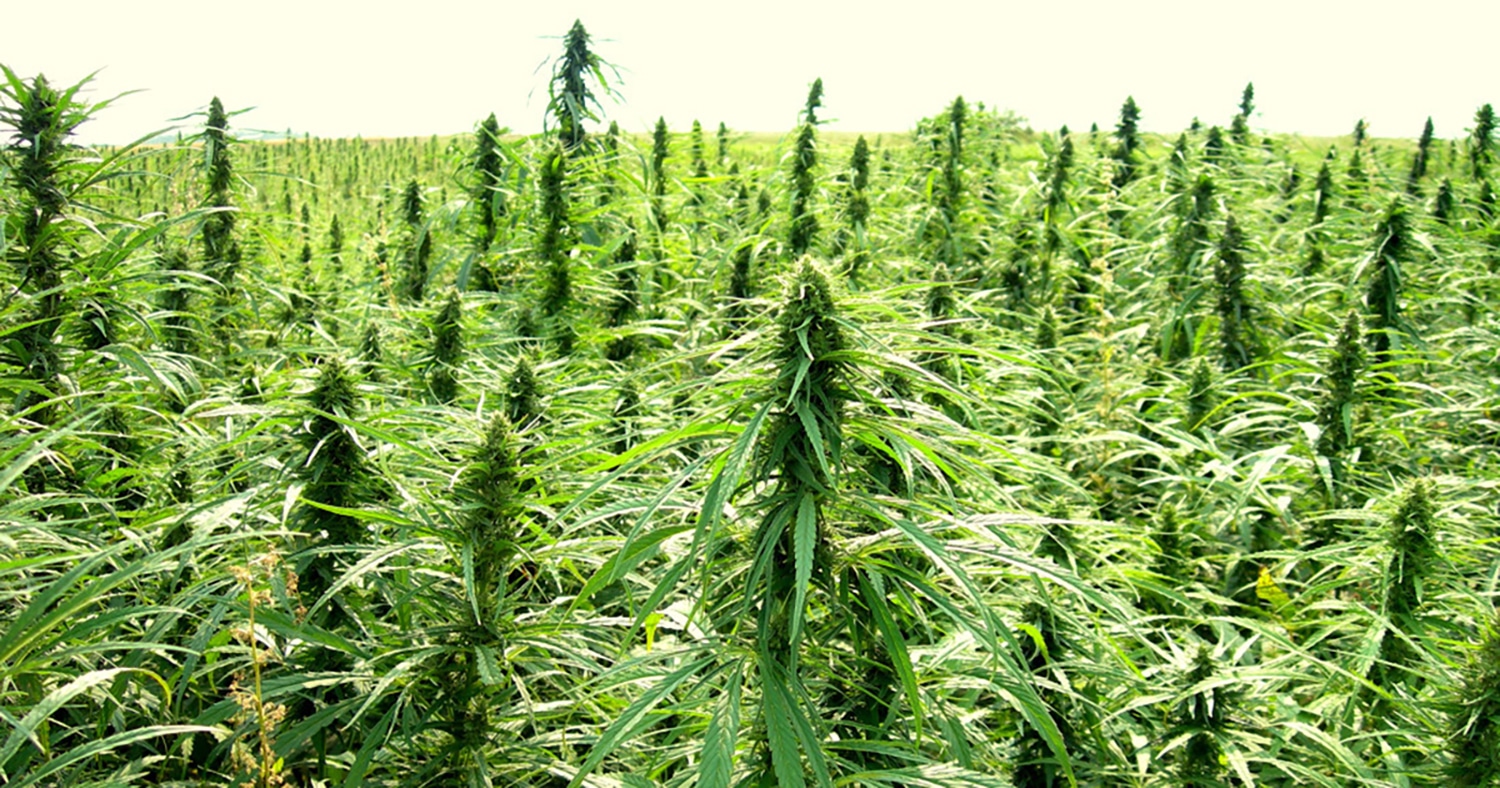
The Difference Between Cannabis and Hemp | CBD OIL NZ
Generally hemp is the name given to a cannabis plant containing less than 0.3% THC which is cannabis typically grown for its industrial use rather than it’s psychoactive properties. Cannabis is a very versatile plant and can be used to make such a vast range of products from paper, textiles, biodegradable plastics, construction, health food, and fuel.
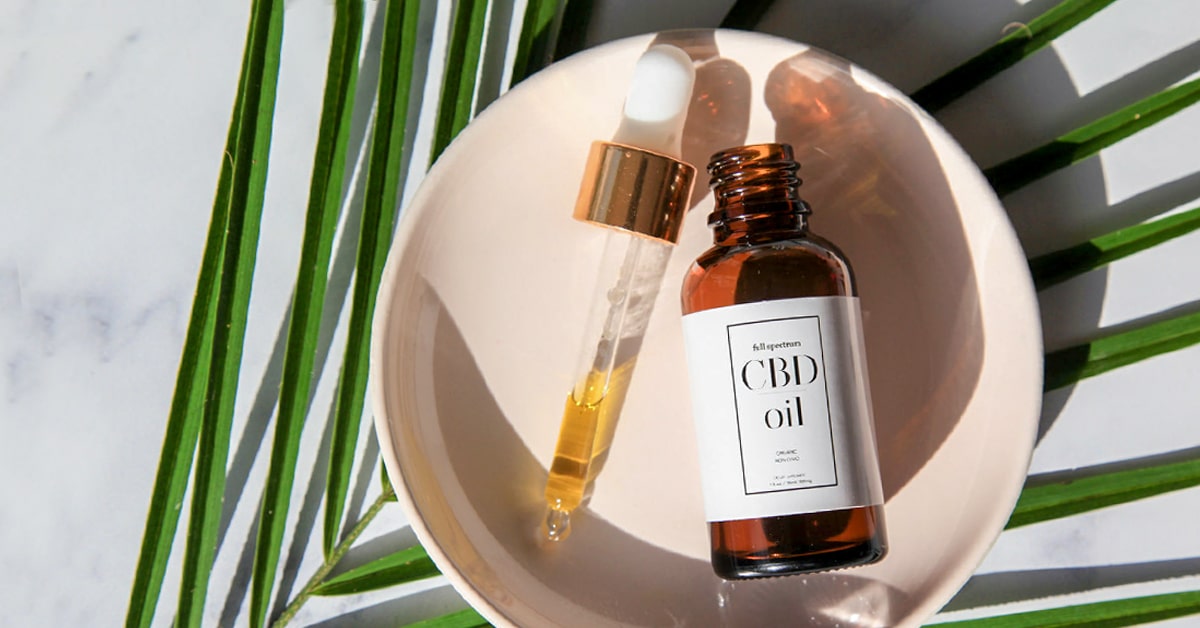
The Cost of CBD in New Zealand – What to expect in 2021
If you’ve done some research into CBD oil and looked at buying it, you may have come across a wide range of international CBD products online that appear much cheaper than anything you find in New Zealand and there are a few reasons for this. As of April 1st 2020, New Zealand’s definition of a CBD product remains ill-advised.